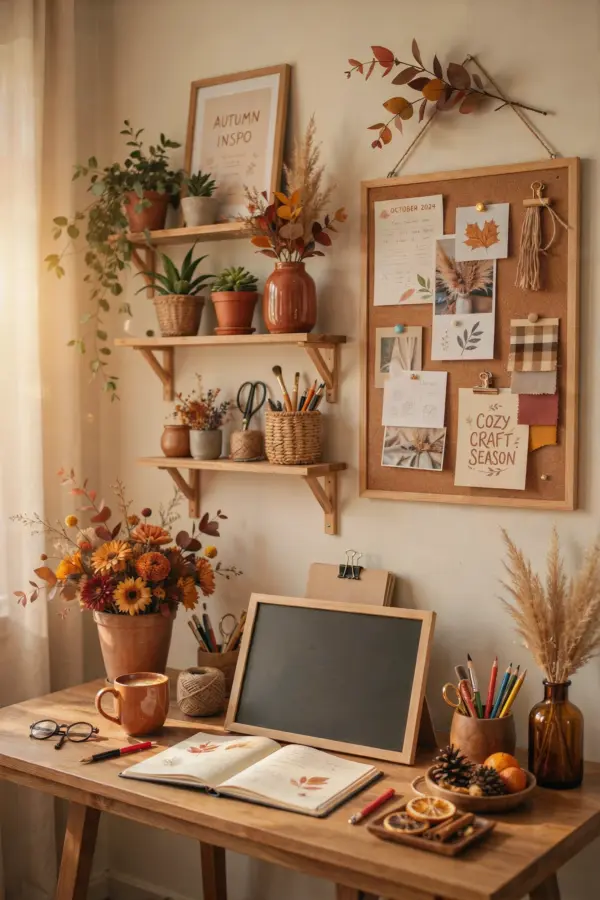
The Real Mistake Most People Make When Starting a DIY Scandinavian Home Office
I tried to create a DIY Scandinavian Home Office last year with handmade wood shelves and plants, and honestly, it looked like a cluttered craft fair booth at first. The problem wasn’t the idea; it was the execution. I kept making the same mistakes that drain the calm, minimal vibe from a Scandi workspace. After three weekend rebuilds, I figured out what works for small spaces without sacrificing style or productivity. If you want your workshop-inspired corner to feel airy and intentional, not chaotic, avoid the traps I fell into.
Choosing the Wrong Wood Type for Your Handmade Shelves (and How to Pick the Right One)
Your first mistake will likely happen at the lumber yard. I grabbed pine because it was cheap, but it dented when I hung tools from the shelf brackets. Scandinavian decor relies on clean lines and honest materials, not spongy wood that warps after a season. For handmade wooden shelves that look professional, go with birch plywood or poplar. They are smooth, take stain evenly, and won’t break your budget.
- Birch plywood: Light color, minimal grain pattern, perfect for floating shelves.
- Poplar: Affordable, paints beautifully, holds screws well without splitting.
- Avoid: Pressure-treated lumber or rough-cut cedar; they feel too rustic for a Scandi look.
Another trick: sand the edges until they are slightly rounded. Sharp corners catch dust and look less inviting, which is the opposite of the cozy string lights vibe you want.
Skipping the Mood Board and Losing the Scandinavian Vibe
I know, mood boards sound like a Pinterest obsession that wastes time. But without one, your ScandinavianDecor will drift into a mix of random flea market finds. A mood board keeps your color palette tight: white, soft gray, warm wood, and one accent like charcoal or sage green. I use a cork board pinned with fabric swatches and paint chips. It sits right above my desk and stops me from buying that cute orange vase that would ruin the whole aesthetic.
Don’t overthink the digital version. A simple paper collage works, and you can keep it as part of your decor. The key is to reference it every time you add a plant or a shelf bracket. You will thank yourself later when everything actually fits together.
Overloading Your Small Space with Too Many Plants (and the Right Way to Use Plant Decor)
Plants are essential for a lively workspace, but piling eight pots on a single desk makes you feel like you are working in a jungle. PlantDecor in a Scandinavian home office should be sparse and deliberate. One large statement plant on a floor corner and two small trailing plants on the shelves are enough. I learned this the hard way when my snake plant collection blocked my monitor and my cat knocked over three pots in one afternoon.
Choose plants that thrive in indirect light and low humidity: pothos, ZZ plants, or a small fiddle leaf fig. Place them in plain terracotta or matte white pots. Avoid patterned containers that compete with the clean shelves. And remember, empty space is a design element, not a mistake.
Making Your DIY Woodworking Projects Look Clunky Instead of Minimal
My first shelf set looked like I built a picnic table. The boards were too thick, the brackets were industrial, and I used visible screws that screamed “I bought them at a big-box store.” Minimal woodworking means thin profiles and hidden hardware. For your WoodworkingProjects, use 3/4-inch plywood or even 1/2-inch if the shelf is short. French cleats or floating shelf brackets eliminate visible supports and create that weightless look.
If you must use brackets, choose simple black L-brackets or brass ones that blend into the wall. Sand everything to at least 220 grit, then finish with a clear mat
#DIYHomeOffice #ScandinavianDecor #HandmadeWood #WoodworkingProjects #PlantDecor
Leave a Comment