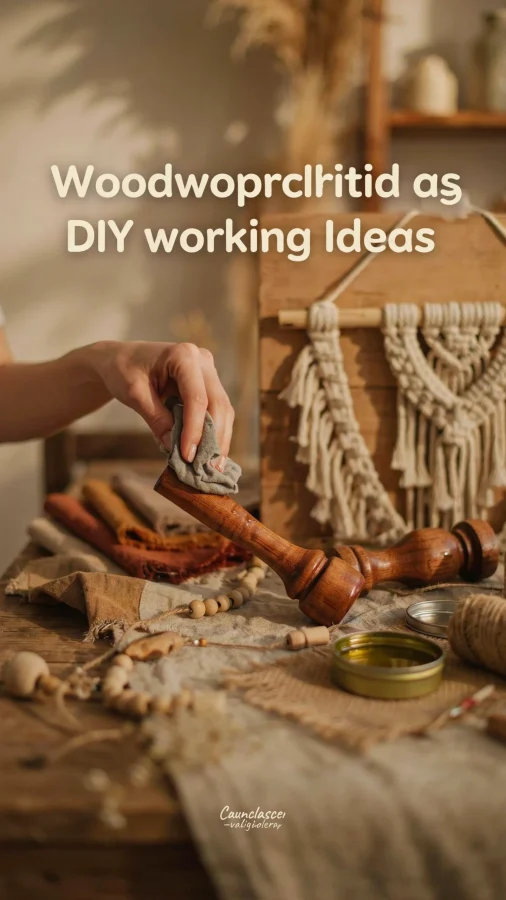
I remember staring at a scratched, water-stained oak table, thinking it was beyond saving. Then I learned you can actually restore wood in minutes without any sanding, toxic fumes, or heavy tools. That discovery changed the way I approach every secondhand find and worn out piece in my house. What if I told you that a simple natural salve could bring old wood back to life with nothing more than your hands and a soft cloth? No power tools, no harsh chemicals, no complicated process. Just a few minutes and a little patience.
Why Traditional Wood Restoration Methods Feel So Intimidating
Most of us assume fixing old wood requires hours of sanding, multiple coats of stripper, and a garage full of specialized gear. That belief keeps perfectly good furniture sitting in basements or getting tossed out. I used to think the same way until I tried a different approach.
The reality is that many scratches, water rings, and dry patches are only surface deep. They don’t need to be sanded away or chemically stripped. They just need moisture and nourishment brought back into the wood grain. That is where a natural wood salve comes in.
Meet the One Product That Changed How I Fix Old Furniture
After trying beeswax polishes, lemon oil, and even mayonnaise (yes, really), I found something that actually works without any of the hassle. It is called Snauff Furniture Salve, a blend of natural oils and waxes designed to penetrate and restore dried out wood. What makes it different is that it does not just sit on top like a polish. It soaks in, fills micro cracks, and hydrates the fibers from within.
You do not need to be a woodworking expert to use it. No measuring, no mixing, no sanding dust everywhere. Just open the tin, scoop a small amount, and rub it into the wood. That is the whole prep work.
Step by Step: How to Restore Wood in Minutes With No Sanding
Here is the exact process I follow every time I bring home a thrift store dresser or notice a water ring on my dining table. It takes less time than brewing a cup of coffee.
- Clean the surface with a dry microfiber cloth to remove dust and dirt. Do not use water or cleaners.
- Take a pea size amount of Snauff Furniture Salve and warm it between your fingers for a few seconds.
- Rub it into the wood using circular motions, focusing on scratched or faded areas. You will see the color deepen immediately.
- Let it sit for 5 minutes so the oils can soak in.
- Buff off any excess with a clean, soft cloth. That is it. The wood looks revived, smooth, and even.
No waiting for fumes to dissipate. No sticky residue. No sandpaper needed.
What About Scratches, Water Rings, and Dryness?
These three problems are the main reasons people think old wood is hopeless. Scratches are tiny grooves where the wood has lost its top layer of finish. Water rings happen when moisture gets trapped under the protective coating. Dryness is just the wood saying, “I need a drink.”
A good natural wood salve addresses all three. The oils fill in the scratch grooves, making them less visible. For water rings, the salve helps rehydrate the wood fibers so the white haze fades. On dry, dull wood, one application restores a warm, rich glow without changing the original color.
I have used this method on oak, pine, walnut, and even laminate pieces. As long as the wood is not fully rotted or structurally damaged, the salve works wonders.
Why This Method Works Better on Floors, Tables, and Vintage Dressers
Different wood pieces have different wear patterns. Floors get walked on, tables get stained with hot mugs, and vintage dressers often sit in attics for decades. The common thread is that all of them lose moisture over time.
Snauff salve is thick enough to stay on vertical
#RestoreWood #WoodworkingDIY #FurnitureRestoration #NoSanding #NaturalWoodCare
Leave a Comment